Role
Product Designer
Work
AI-assisted spec design, Conditional logic mapping, Behavior prototyping
Tools
Cursor, Codex, Github
Duration
1 Week
Context
Problem
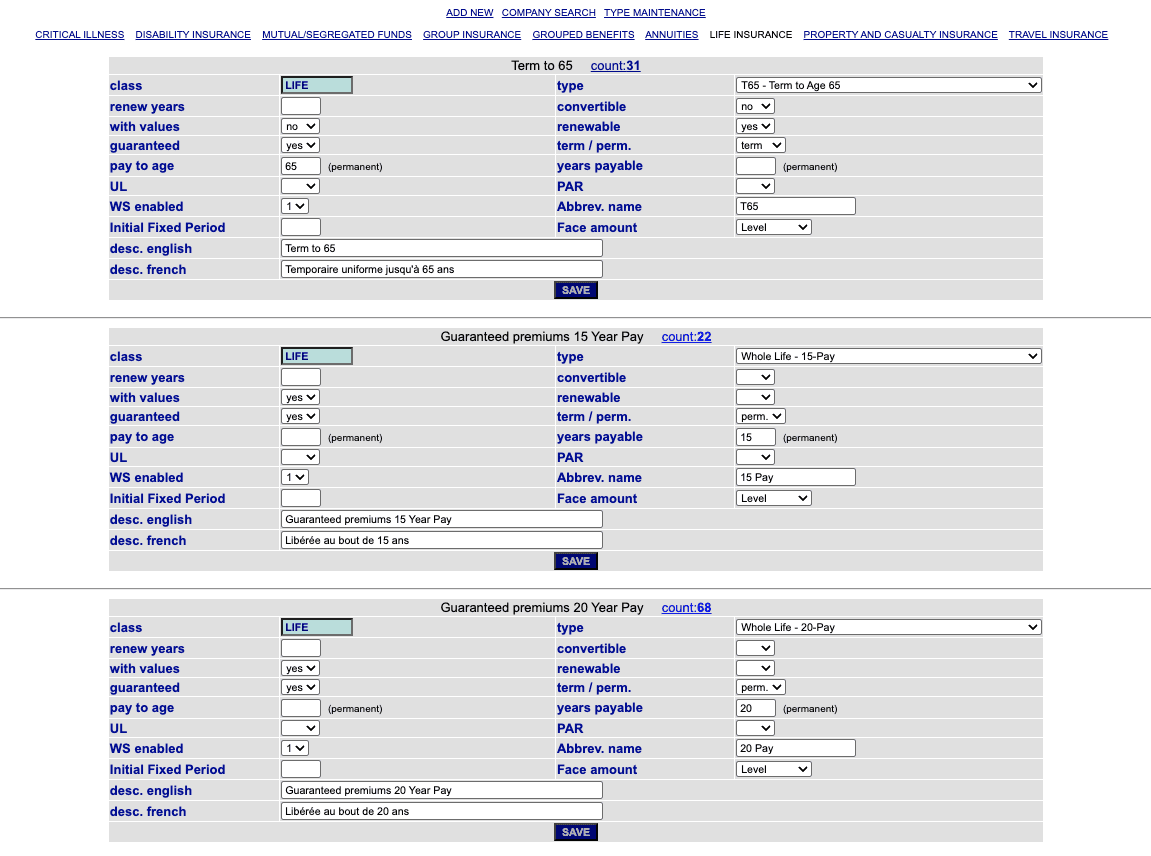
The existing product management system had no conditional logic or structured validation.
All fields were freely editable without dependency rules or system constraints.
This created several operational risks:
Inconsistent product configurations
Logic lived only in the product owner's memory. Nothing written, nothing structured.
Lack of standardized input structure
Fields accepted any value in any combination. There was no shared standard for what a valid product record looked like.
Difficulty controlling product setup
Admins had full freedom but no guardrails. Product setup was hard to audit, review, or hand off to new team members.
Higher risk of incorrect or incomplete data
Invalid combinations could be saved silently. No validation meant data integrity issues surfaced downstream far from the point of entry.

Compressed Prototyping Cycle
With AI-assisted HTML scaffolding, an initial interactive version could be generated within approximately one working day.
Upstream Logic Validation
By generating behavior-driven prototypes during design, multiple logic conflicts were identified and resolved prior to engineering handoff.
Reduced Specification Friction
With AI-assisted logic modeling and interactive prototypes, conditional behavior was consolidated into:
A structured PRD
A behavior-linked prototype
What changed
Traditional Workflow
Conversation
/01
Interview the product owner and gather business rules verbally. Business logic was captured through notes and follow-up clarification meetings.
Manual Rule Structuring
/02
Translate fragmented verbal rules into written documentation.
Static Prototype Creation
/03
Create static wireframes or low-fidelity mockups to represent possible states.
Conflict Resolution During Development
/04
Edge cases and conditional conflicts were typically discovered:
During implementation
Or through QA testing
Document-Based Specification Output
/05
Finalize a PRD describing:
Product states
Field requirements
Conditional logic
AI-Integrated Workflow
Conversation
/01
Interview the product owner and surface implicit rules through scenario-based questioning. (This step remained unchanged. Human reasoning was essential.)
AI-Assisted Logic Modeling
/02
Use Codex (via Cursor) and Claude to organize scattered rules into structured conditional logic patterns.
AI helped:
Generate conditional trees
Identify missing states
Surface unclear dependencies
Logic structuring became iterative rather than linear.
Behavior-Driven Prototype Generation
/03
Generate functional HTML screens rapidly to simulate real field-level behavior.
Instead of static mockup, the prototype became:
An interactive logic simulator
A validation tool for conditional visibility
A shared reference for behavior discussion
Early Conflict Visibility
/04
Building the prototype exposed conflicts neither the product owner nor I had caught in conversation. Edge cases became visible only when the form had to respond to real input.
The timing of validation shifted earlier in the process.
Validated, Behavior-Linked Specification
/05
Generated structured PRDs with field-level specs, conditional rules, and state definitions. Prototype + PRD became the single source of truth for engineering.
I codified my design rules into a Skill, so AI could inherit structure instead of guessing at it.
AI-Assisted Logic Modeling
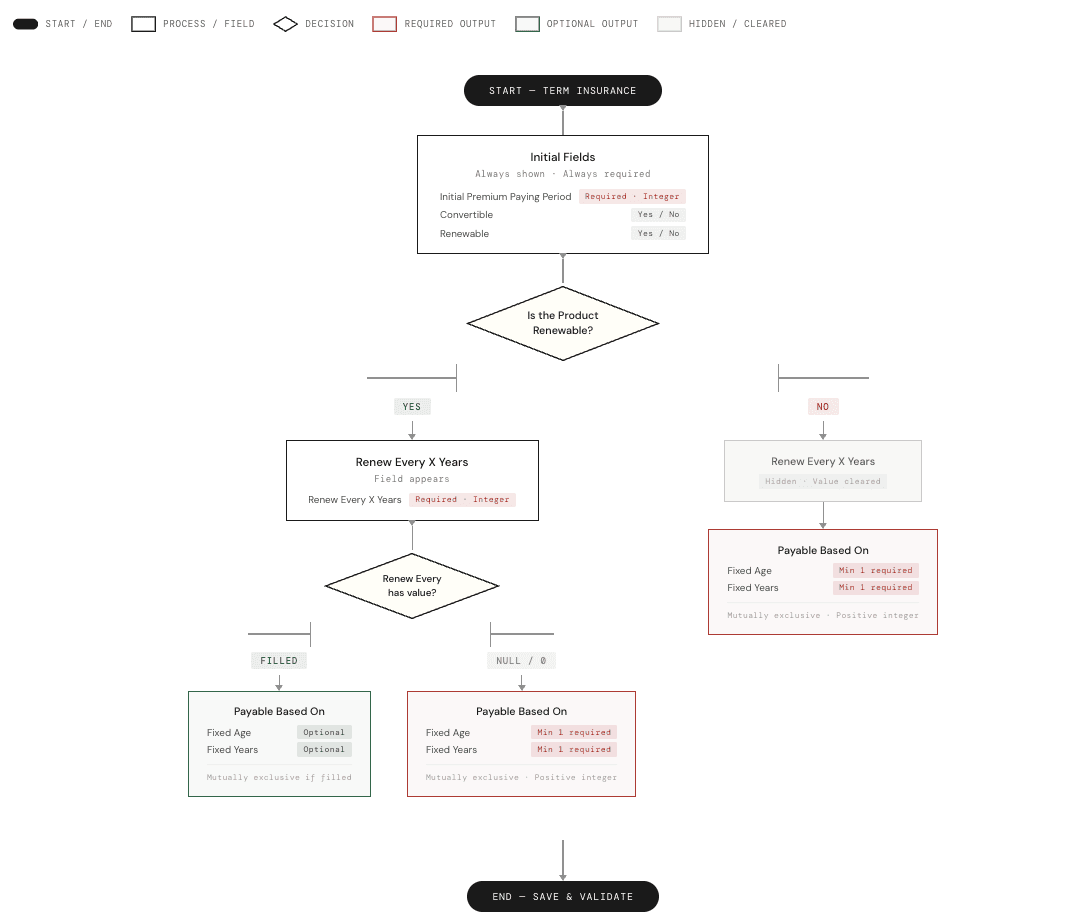
Term Insurance contained layered conditional dependencies that were difficult to reason about through static documentation alone.
Using AI, I transformed fragmented verbal explanations into a structured decision model that mapped:
Field visibility
Conditional required states
Mutual exclusivity constraints
Validation timing
This approach shifted logic definition from descriptive documentation to behavior-driven validation — making every rule explicit and testable.
AI-Assisted Screen Redesign
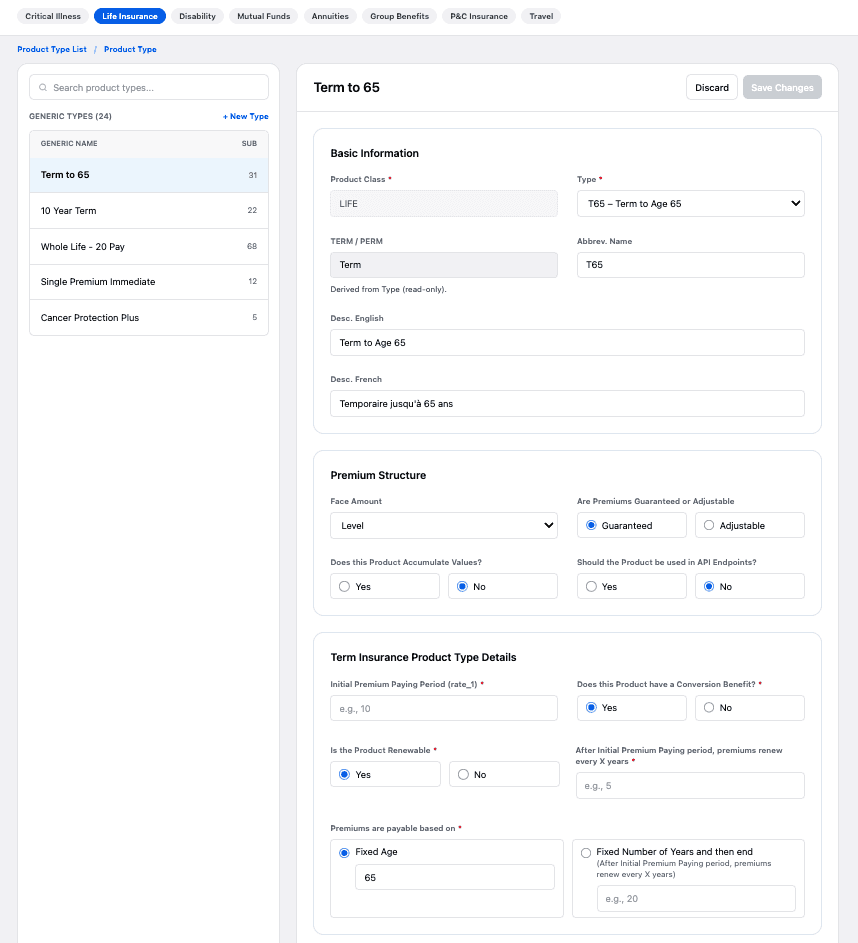
Before AI, building a form prototype in Figma meant designing every state manually: active, disabled, error, conditional.
With Cursor × Codex, I described the logic and the scaffold was generated in the same session.
The prototype itself was not the deliverable. The validated logic behind it was.
Since the product runs on PrimeVue, the validated logic translated directly into production components without reinterpretation.
211F1F